I Don’t Care About Andy Sachs’s Love Life
Why are The Devil Wears Prada movies so obsessed with Andy Sachs’s love life despite it being the least interesting thing in them? When it was still in theaters, I went and watched the second movie, and I was pleasantly surprised. It wasn’t as empty as I thought it was going to be. I would call it the best unneeded sequel I’ve ever seen, which is a low bar, but it still cleared it. That being said, easily the worst part of the film was Peter, Andy’s romantic relationship that was shoehorned into the movie because why? Who knows? So, let’s talk about Andy’s love life since it’s easily a point of contention in these movies.
The Devil Wears Prada: Nate
I think people who think Nate is the villain of The Devil Wears Prada aren’t looking at the film in a nuanced way. Honestly, I don’t think there is a villain in this film. It’s just a lot of complicated people who are navigating complicated situations. Even Miranda is a human being in this film.
Now, don’t get me wrong. I’m not Nate’s biggest fan, but I do think he and Andy were more an issue of incompatibility than Nate downright being a terrible person. She was changing (in some good ways and some not-so-good ways), and they became incompatible. It makes sense to me that he’s not in the second film because there was never a chance of them lasting.
But regardless, Nate was the least interesting part of The Devil Wears Prada. It’s difficult to care about their relationship when there’s so much going on outside of it, and it’s definitely not the main driver of the film. The relationship between Andy and Miranda, and even Andy and Emily/Nigel, are far more central to the film. But quite frankly, Nate and Andy make more sense and have more going on than Andy’s love interest in the second movie…
The Devil Wears Prada 2: Peter
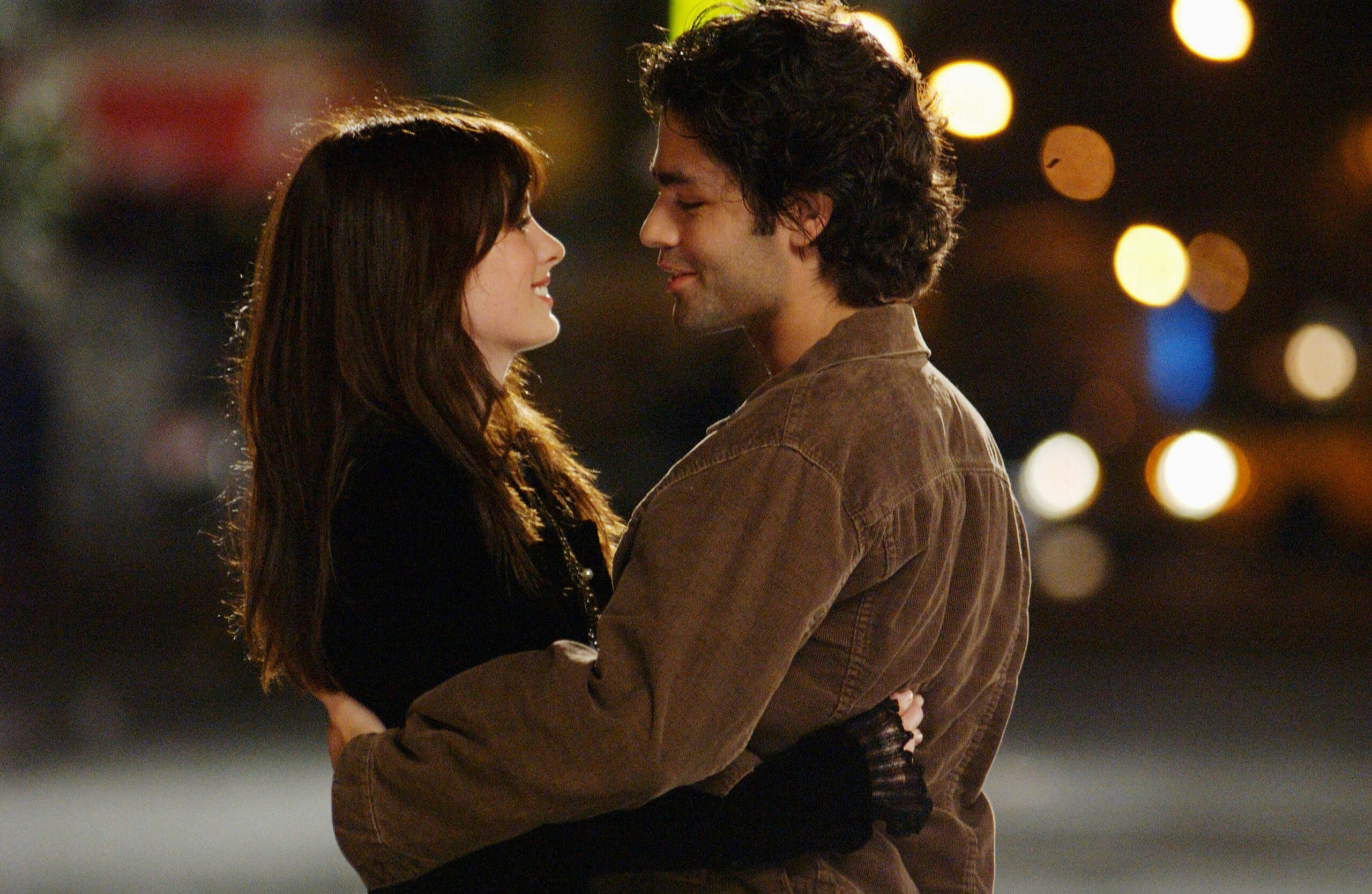
Okay, seriously, who is this man, and why is he here? We’re creating a dynamic movie about friendship, our relationship to work, the creation of art, and the complicated nature of humanity. (This might be giving it too much credit or reading too much into it, but the nuggets are there.) Why do we need to dedicate twenty minutes of this film to this romantic relationship that has no depth to it?
Andy meets Peter while looking at a new apartment since he’s the one who renovated the building. We see their first date, and then, we see him attending a work party with her, and then, we jump to their breakup scene, and then, we end with them getting back together. I might be missing a scene here. I’ve only seen the movie once. But I don’t think so, and if I did, it’s because the scene was forgettable, because this relationship is forgettable.
Half the time, Andy is disrespecting Peter and his work. In half the scenes they’re in, she’s insulting him, and the film kind of acts like it’s justified. This isn’t necessarily to defend Peter, but it is to say, I don’t understand the foundation of this relationship. I finished the movie, and I have zero understanding of why they like each other and should be together. Even on Peter’s side, I’m wondering why he likes her beyond Anne Hathaway, duh.
Andy has this speech about being imperfect humans together at the very end, and I’m a bit like, where did this conclusion come from? Peter doesn’t have enough personality, and their relationship doesn’t have enough depth for this speech to make sense.
What We Should Be Focusing On
Here’s what I think the point of The Devil Wears Prada movies is: Our relationship with work itself is complicated, and finding a balance between work and all the things can be hard.
You could almost call these movies messy because they’re trying to hit on so many points at once, from the importance of fashion to how we navigate our careers and the workplace to the relationships we build within the different facets of our lives to how we treat women within the workplace. The second movie goes further and addresses the future of artistry in general, especially in relation to AI. But these things are interconnected within the films so well that it ends up working.

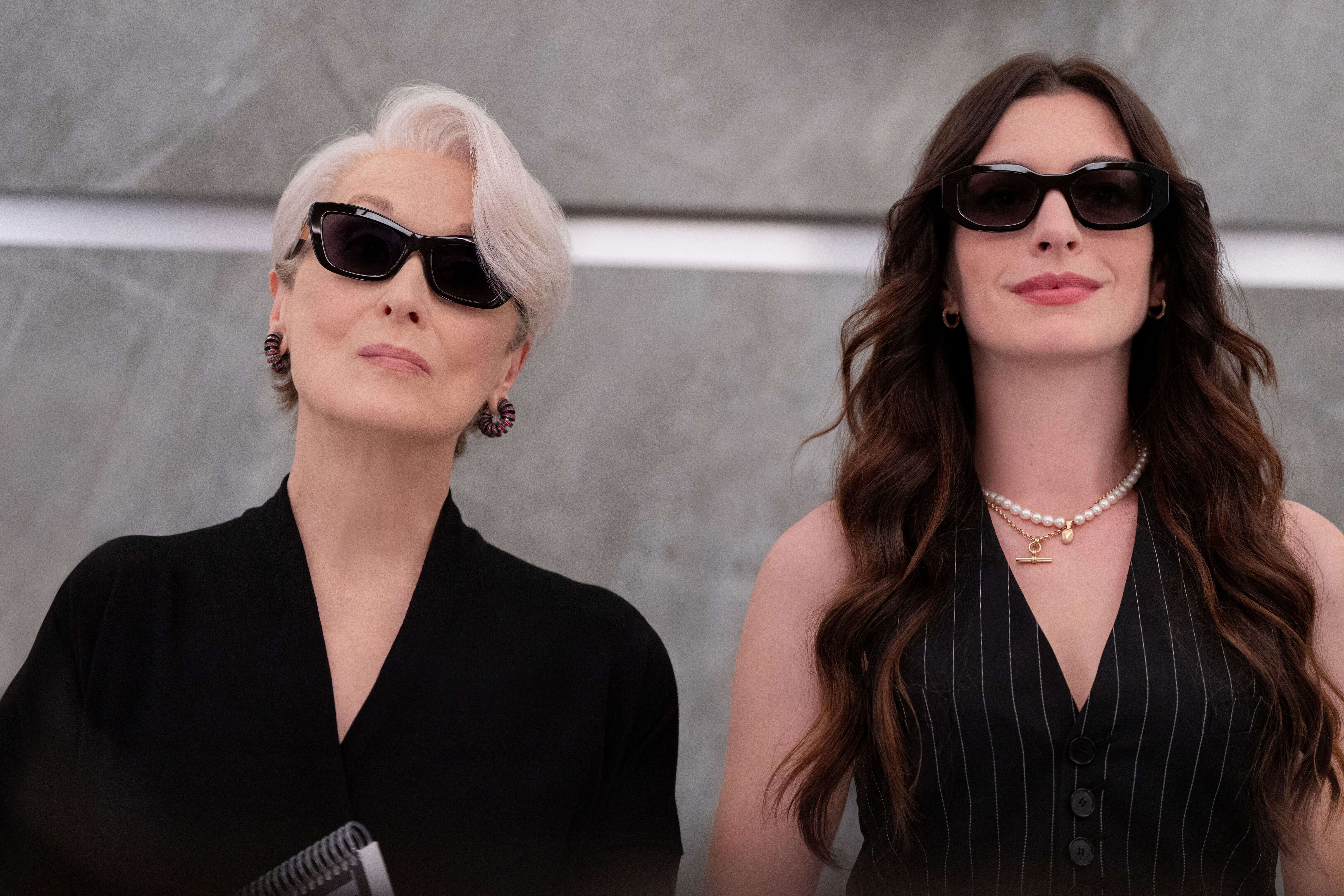
Miranda is the crux of this. At the end of the second movie, she talks about how much she genuinely loves working. She’s sacrificed for that love, including aspects of her children’s lives, but work is crucial to her. She can’t imagine not working, and quite frankly, Andy is the same. Their similarity does not stem from personality or even values, but from a love of working. A love of moving forward and carrying ambition for ever-evolving bigger things.
Andy’s romantic relationships are such a small part of these films, and yet, they end up taking up so much space, both within the narrative and within our collective reception of these movies. We have so many thinkpieces about how Nate is the real villain when Nate is really just kind of a basic dude. We don’t need to demonize him when, in reality, he’s just kind of there.
If we’re going to discuss The Devil Wears Prada and its sequel, I think there are so many more interesting conversations we can have. Let’s start there, instead of the nothing burger that is Peter and even Nate.